
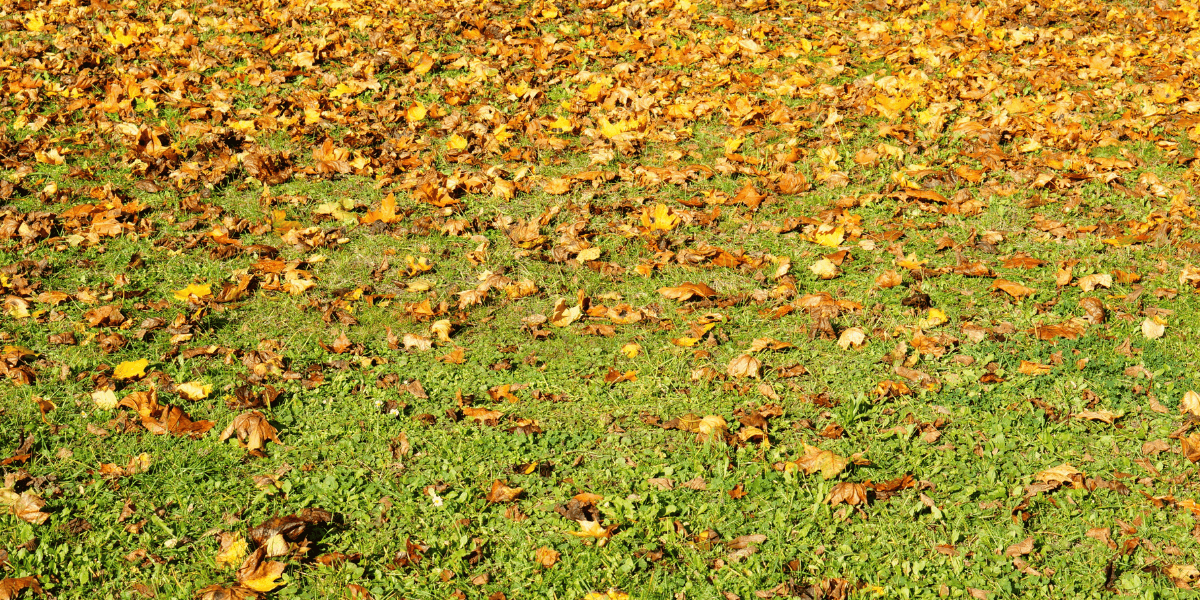
There is nothing quite as deflating as walking outside on a warm morning and noticing patches of straw where your green lawn used to be. If you have found yourself asking why my lawn turns yellow in summer, you are far from alone. It is one of the most common lawn complaints during the warmer months, and the good news is that it is almost always fixable once you understand what is causing it.
Summer heat puts real pressure on grass. Between intense sun, inconsistent watering, and soil that simply cannot keep up with demand, your lawn is working overtime to stay alive. A patch of lawn turning yellow is your grass telling you something is off, not a sign that it is beyond saving. Let’s walk through what is actually happening beneath the surface and how you can bring the color back.
Common Causes Behind a Yellowing Lawn
Before you reach for a bag of fertilizer or start watering twice a day, it helps actually to understand the cause. Discoloration rarely comes from a single issue. It is usually a combination of stress factors piling up at once. Here are the most common reasons homeowners notice yellow grass in summer as temperatures climb.
Overwatering and Poor Drainage
It sounds backwards, but too much water can be just as damaging as too little. Waterlogged soil pushes oxygen out of the root zone, and grass roots essentially begin to suffocate. If your lawn feels spongy underfoot or water pools after rain, poor drainage is likely starving your grass of the air it needs.
Underwatering and Heat Stress
On the flip side, shallow or infrequent watering during a heatwave forces grass into survival mode. The blades yellow and dry out as the plant redirects what little moisture it has to its roots. This is especially common on lawns that get short, daily sprinkles rather than deeper, less frequent soaks.
Nitrogen Deficiency
Nitrogen is what gives grass its rich green color. When soil runs low, older blades yellow first as the plant pulls nutrients toward new growth; a lawn that was thriving in spring but has slowly faded through early summer is often simply running out of fuel. This is one of the first things worth ruling out if you are wondering why my grass is yellow despite a fairly consistent watering routine.
Pest and Insect Damage
Grubs, chinch bugs, and other lawn pests feed on roots and stems below the surface, cutting off the grass’s ability to draw up water and nutrients. Damage often shows up as irregular yellow or brown patches that spread outward, sometimes with grass that lifts easily when tugged.
Fungal Disease and Lawn Fungus
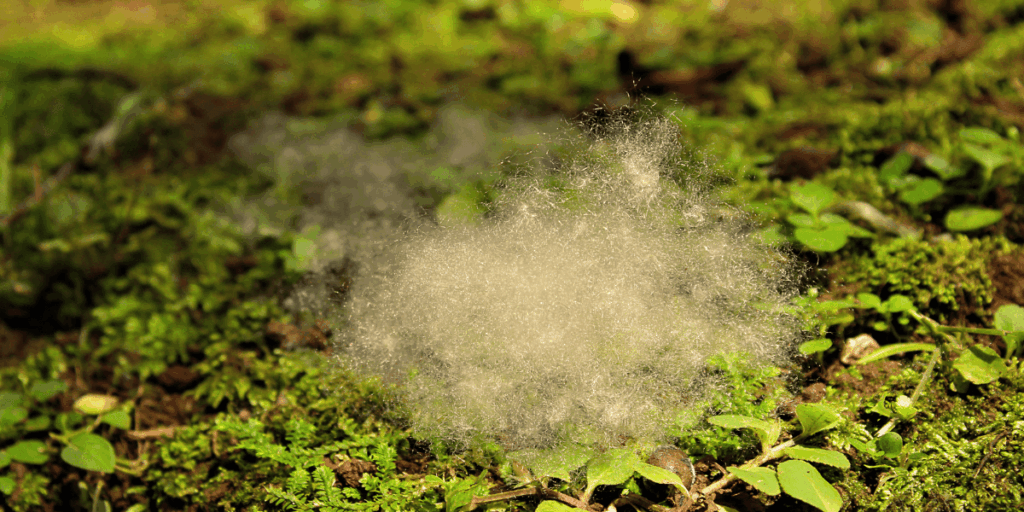
Warm, humid conditions are a breeding ground for lawn fungus. Diseases like brown patch and dollar spot create rings or blotches of discolored grass, often with a slightly different texture or a fine, web-like coating on the early-morning dew.
Compacted Soil
Heavy foot traffic, parked vehicles, or play equipment can compress soil over time. Compacted ground makes it difficult for moisture, oxygen, and nutrients to reach the roots, leaving the grass thin, weak, and prone to yellowing even when your watering routine looks fine on paper.
Bringing Yellow Grass Back To Life
Once you have a reasonable idea of the cause, the fix usually follows a predictable path. Knowing how to fix yellow grass without overcorrecting is the key to getting results without making things worse.
Adjust Your Watering Schedule
Aim for deep, infrequent watering rather than light daily sprays. Early morning is the best time, as it gives grass a chance to absorb moisture before the heat of the day evaporates it. Most established lawns do well with around two to three sessions a week, adjusted for rainfall.
Feed the Soil, Not Just the Grass
A slow-release, nitrogen-rich fertilizer applied at the right time of year can restore color within a couple of weeks. Avoid heavy feeding during extreme heat, as it can further stress the grass. A soil test is a worthwhile step if yellowing keeps returning despite a decent watering routine.
Aerate Compacted Areas
Core aeration creates openings in the soil, allowing water and nutrients actually to reach the roots. It is a simple mechanical fix, but it makes a noticeable difference on lawns that get heavy traffic.
Treat Pests and Disease Early
If you suspect grubs or fungus, targeted treatment beats guesswork. Pulling back a patch of yellow grass to check the roots and soil underneath will usually confirm that pests are to blame. At the same time, fungal issues often respond well to improved airflow and reduced evening watering.
Before you commit to a full lawn overhaul, it helps to run through a quick checklist and see how many boxes your lawn ticks:
- Grass feels spongy or water pools after rain (overwatering or drainage issue)
- Blades are dry, brittle, and pale rather than solid yellow (heat stress)
- Older, lower blades are yellow while new growth still looks fine (nitrogen deficiency)
- Patches lift easily, or you spot chewed roots (pest damage)
- Rings, blotches, or a web-like coating appear in the morning (fungal disease)
- Yellowing is worst in high-traffic areas like paths or play zones (soil compaction)
Getting on top of these issues yourself is entirely possible. Still, if the yellowing keeps coming back or covers a large area, it is often quicker and less frustrating to bring in a professional. The team at Elite Design offers reliable lawn maintenance that Millstone, NJ, homeowners have trusted for years, with an approach built on genuine care for every property rather than a one-size-fits-all routine. Reach out to us today for a professional lawn evaluation and discover the right solution to restore your lawn to a healthy, vibrant state.
Protecting Your Lawn’s Color for the Rest of Summer
Fixing yellow patches is one thing. Keeping your whole lawn looking healthy through the hottest months is another, and it comes down to a handful of simple habits practiced consistently.
Mow at the Right Height
Cutting grass too short in summer exposes the soil and roots to direct sunlight, accelerating moisture loss. Raise your mower blade slightly during hot months and let the grass grow a touch longer to shade its own roots.
Water Deeply, Not Frequently
This bears repeating, because it is the single biggest factor in summer lawn health. Deep watering supports healthier root development by encouraging roots to extend deeper in search of moisture, making the whole lawn more resilient during dry spells. This one habit does more for how to keep lawn green during summer heat than almost anything else on this list.
Choose the Right Time to Fertilize
Feed your lawn in the cooler parts of spring and early summer rather than during a heatwave. Fertilizing stressed grass in extreme heat can do more harm than good, so timing genuinely matters here.
Water Early in the Day
Watering in the early morning gives grass time to absorb moisture before the sun is at its strongest, reducing evaporation and lowering the risk of fungal disease that thrives in overnight dampness.
Frequently Asked Questions
1. Why is my lawn turning yellow in summer?
Heat stress, inconsistent watering, nutrient deficiency, pests, and fungal disease are the most common causes, often occurring together rather than in isolation.
2. Why is my grass yellow?
Yellowing usually points to a combination of factors rather than a single cause, most often watering habits, low nitrogen levels, pests, or fungal disease that builds up over the warmer months.
3. Can overwatering cause yellow grass?
Yes, Excess moisture reduces the amount of oxygen available in the soil, suffocating roots and causing yellowing even though the lawn is technically getting plenty of moisture.
4. How can I fix yellow grass quickly?
Adjust your watering to deep, infrequent sessions, check for pests or signs of fungus, and apply a balanced fertilizer if the soil is lacking nutrients.
5. How to fix yellow grass?
Start by identifying the underlying cause, then correct your watering schedule, feed the soil if nutrients are low, and treat any pests or fungal issues you find. Most lawns respond within a couple of weeks once the right fix is applied consistently.
6. Does fertilizer help restore yellow lawns?
It can, particularly if nitrogen deficiency is the cause, but timing and quantity matter. Feeding during extreme heat can add stress rather than relieve it.
7. How do I keep my lawn green during hot weather?
Mow slightly higher, water deeply rather than daily, and fertilize during cooler stretches rather than peak summer heat.
Conclusion: Bringing the Color Back
A yellowing lawn can feel discouraging, but it is rarely a lost cause. Most cases come down to watering habits, soil health, or a pest issue that is easily addressed once identified. With a bit of patience and the right adjustments, your grass can bounce back to a healthy green well before summer is over.
If your lawn needs more attention than a weekend of DIY fixes can offer, reach out to Elite Design. As a trusted landscaping company in Millstone, NJ, that residents have relied on for over twenty years, we bring the experience and care needed to get your lawn looking its best again. Request a personalized lawn assessment from us, and let our team create a maintenance plan to keep your landscape healthy, vibrant, and looking its best year-round.