
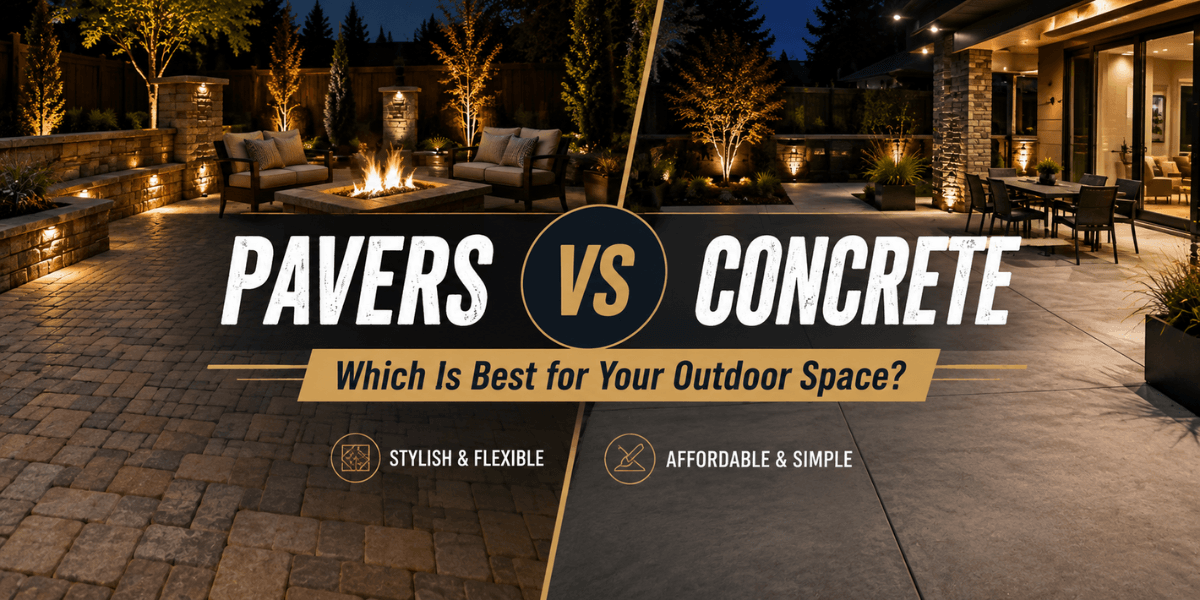
Picking a surface for your patio, driveway, or walkway is one of those decisions that feels bigger than it should. Get it right, and you have decades of low-fuss enjoyment. Get it wrong, and you are staring at cracks, stains, or a design you have grown tired of within a few years. If you are weighing up pavers vs concrete for an upcoming project, you are asking exactly the right question before any work begins.
Both materials have loyal fans, and both can genuinely transform a backyard or entrance. The right choice really comes down to how you plan to use the space, your budget, and how much long-term maintenance you are willing to take on. Let’s break down how each option performs so you can make a decision you will still be happy with in ten years, along with a few extra considerations that often get overlooked until the project is already underway.
Concrete Vs Pavers Patio: Comparing the Two Materials for Everyday Outdoor Living
Before diving into cost or durability, it helps to consider how these materials behave once they are part of your outdoor living space. This comparison comes up constantly for anyone planning a patio, since the two options age and perform quite differently once installed.
Appearance and Design Flexibility
Pavers come in an enormous range of shapes, colors, and patterns, which gives you far more creative control. You can mix textures, create borders, or replicate the look of natural stone. Concrete, by comparison, is typically poured as a single continuous slab. It can be stamped, tinted, or textured, but it will rarely match the visual variety pavers offer straight out of the box.
Installation Process
Concrete is poured and cured as a single pour, which usually means a faster overall installation timeline once the site is prepped. Pavers are laid individually on a compacted base, which takes more time but provides a stronger, more forgiving surface beneath. That extra installation time is usually a worthwhile trade-off once you consider how much easier the surface becomes to maintain later.
Cost Considerations
Concrete is generally cheaper upfront for a simple slab. Pavers cost more initially due to labor and materials, but that gap often narrows over the life of the surface once repairs and replacements are factored in. It is worth asking any contractor for a full breakdown of both material and labor costs before comparing quotes side by side.
Comfort Underfoot
Pavers offer a slightly more textured, non-slip surface, which many homeowners prefer around pools and outdoor entertaining areas. Concrete can be finished to reduce slipperiness too, though it typically feels more uniform underfoot. For families with young children or older relatives visiting often, this small difference in grip can genuinely matter.
Repair and Replacement
This is where pavers really shine. If one paver cracks or stains badly, you lift it out and replace it without disturbing the rest of the surface. A damaged section of concrete usually means patching the visible damage or, in more severe cases, breaking out and repouring an entire slab.
Climate Suitability
Different climates put different pressures on outdoor surfaces. Areas exposed to freezing temperatures and recurring thaw cycles tend to be tougher on rigid concrete slabs, while pavers handle that seasonal ground movement more gracefully thanks to their flexible, jointed structure.
Durability of Concrete vs. Pavers: How Each Surface Holds Up Over Time
Longevity matters more than almost anything else in this decision, and the durabilitydebate is genuinely close once you factor in climate and ground movement.
Cracking and Weather Resistance
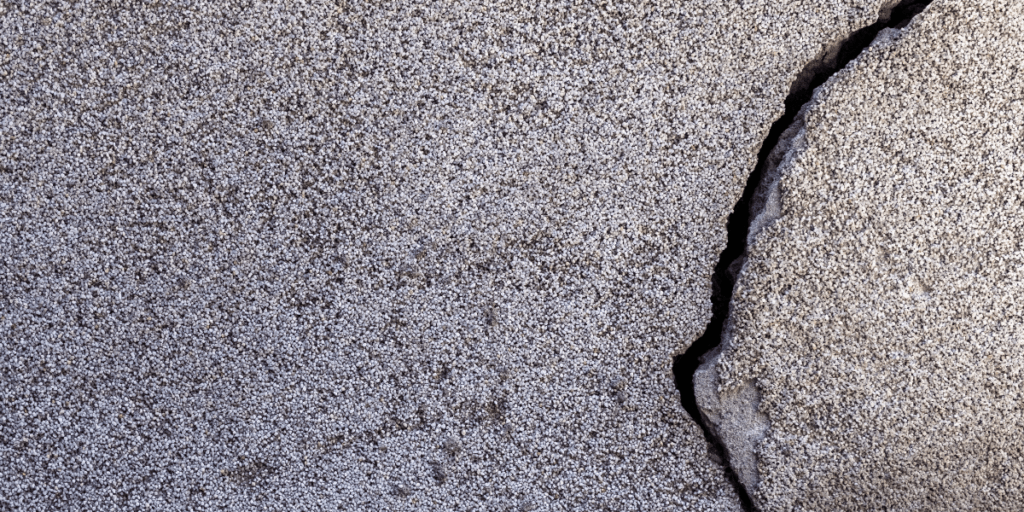
Concrete is a rigid, single slab, which means it has no give when the ground beneath it shifts due to frost, moisture, or tree roots. This rigidity often leads to visible cracking over time. Pavers, being individual units set on a flexible base, move slightly with the ground rather than fighting against it, which reduces the chance of cracking spreading across the whole surface.
Lifespan Expectations
A well-installed paver surface can last several decades and still look sharp with occasional cleaning and resealing. Concrete can also last a long time, but once cracking or discoloration sets in, restoring that original clean look becomes far more difficult.
The Role of Proper Installation
Regardless of which material you choose, a poor installation undermines even the best product. Correct base preparation, adequate drainage, and proper compaction all play a bigger role in long-term performance than the surface material itself. A contractor who skips these steps to save time is setting the project up for early failure, no matter how good the pavers or concrete mix might be.
What About Driveways: Pavers vs Concrete Debate
Driveways take a beating from vehicle weight, weather, and constant use, so the decision deserves its own consideration separate from patios.
Load-Bearing Capacity
Both materials can handle standard residential vehicle loads when installed correctly. Pavers distribute weight across individual units and a compacted base, which can actually make them more resistant to heaving and settling in freeze-thaw climates.
Maintenance Over Time
Concrete driveways need resealing periodically and can develop stains from oil or tire marks that are tough to fully remove. Paver driveways allow for spot cleaning and individual unit replacement, keeping the surface looking newer for longer with less overall hassle.
If you are still torn on which surface suits your driveway or entryway, a professional assessment of your soil, drainage, and climate makes the decision far easier. Our team at Elite Design, trusted for paver installation in Millstone, NJ, can walk you through what will genuinely hold up on your specific property. Book a consultation with us and let our team help you choose the ideal paving solution for lasting performance and curb appeal.
Which Material Wins For Patio Applications?
There is no universal answer here, but for most patio applications, pavers edge ahead when design flexibility and reparability matter most. If you are asking are pavers better than concrete for patio use specifically, the honest answer depends on your priorities. Homeowners chasing a custom look and easier long-term upkeep tend to lean toward pavers, while those wanting a simple, budget-friendly slab often stick with concrete.
It also helps to think about how the patio will actually be used day to day. A space designed for entertaining guests and dining outdoors often benefits from the texture and visual warmth pavers provide, while a smaller, low-traffic patio might not justify the extra investment.
Summarizing the Trade-Offs
Looking at the full pros and cons of pavers vs concrete side by side makes the decision much clearer:
- Pavers offer more design variety and easier spot repairs, but cost more upfront
- Concrete is quicker and cheaper to install, but harder to repair invisibly once damaged
- Pavers flex with ground movement, reducing major cracking
- Concrete can crack under pressure from frost heave or root growth
- Pavers suit patios, pool surrounds, and driveways equally well
- Concrete works best for simple, budget-conscious projects with fewer design demands
Quick Comparison at a Glance
Sometimes a side-by-side view makes the decision easier than paragraphs of comparison. Here is how the two materials stack up across the factors that matter most:
Frequently Asked Questions
1. Are pavers better than concrete?
For most outdoor living spaces, pavers offer greater design and repair flexibility, though concrete remains a solid, budget-friendly option for simpler projects.
2. Which is cheaper, pavers or concrete?
Concrete is typically cheaper to install initially, while pavers can be a more economical choice over the long run due to easier repairs and a longer functional lifespan.
3. Do pavers last longer than concrete?
Pavers generally last longer in practical terms, since individual units can be replaced without affecting the surrounding surface, unlike a single concrete slab.
4. Which option requires less maintenance?
Pavers usually require less intensive maintenance long-term, since stains or cracks can be addressed on a single unit rather than the whole surface.
5. Are pavers good for driveways and patios?
Yes, Pavers work well for both applications, offering strong load-bearing performance for driveways and design versatility for patios and outdoor living areas.
Making the Right Choice for Your Property
There is no single correct answer for every home. Pavers tend to win on design freedom, reparability, and long-term resilience, while concrete remains a straightforward, cost-effective choice for simpler outdoor spaces. The best decision comes down to your budget, how the space will be used, and how much long-term upkeep you are prepared to take on. Taking the time to weigh these factors properly now saves considerable cost and hassle down the road.
If you would like an honest, experienced opinion on what will actually work best for your property, reach out to Elite Design. As a trusted landscaping company in Millstone, NJ, we can help you choose a surface that looks great and holds up for the long haul. Reach out to our team today to talk about your project and explore your options for an outdoor space built to last.