
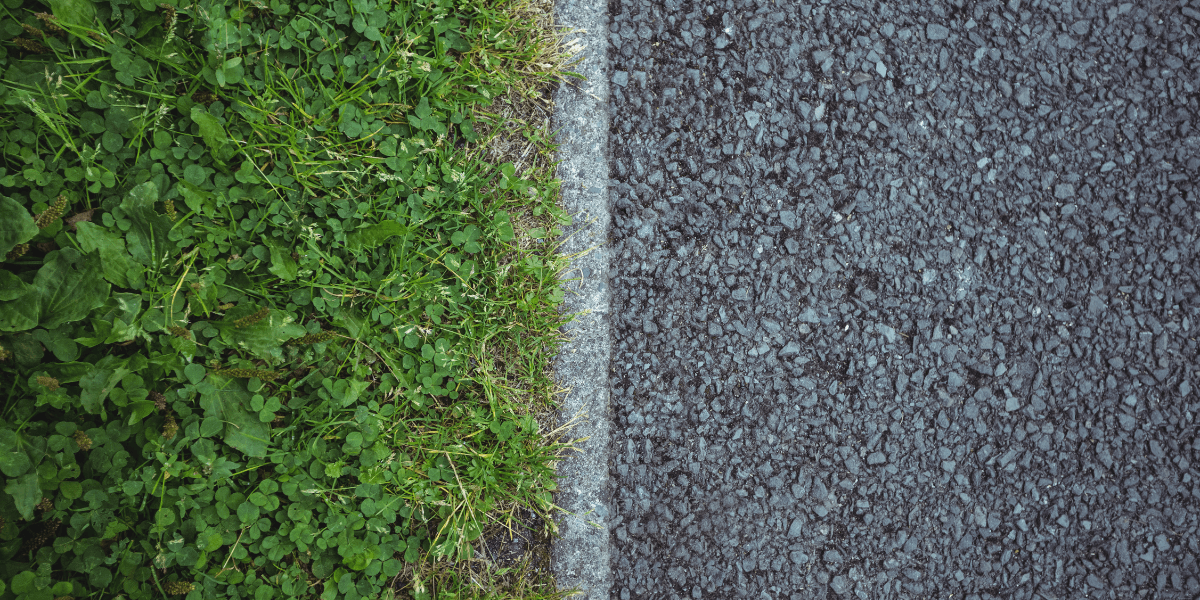
A well-designed outdoor space is more than just pretty plants or a neat stone path; it is the thoughtful combination of both that turns a yard into something truly functional and beautiful. If you live in communities, you already know how much curb appeal and outdoor livability matter. But achieving that perfect outdoor space requires understanding one essential concept: the balance between hardscaping vs softscaping.
It doesn’t matter if you are planning a complete outdoor renovation or simply want to freshen up your landscape; understanding these two core elements will help you make smarter, longer-lasting decisions. So, let us break it all down.
What Is Hardscaping?
Hardscaping refers to all the non-living, structural elements in a landscape design. These are the solid, permanent (or semi-permanent) features that define the framework of your outdoor space. Consider hardscaping as the framework of your yard. Without it, everything else appears aimless and lacks structure.
Common hardscaping elements include:
- Patios and decks
- Walkways and pathways
- Retaining walls
- Driveways and parking areas
- Outdoor kitchens and fire pits
- Fences and pergolas
- Water features like fountains and ponds
- Stone and brick edging
Hardscaping uses materials like concrete, brick, stone, pavers, wood, metal, and gravel, offering durability and usability. Its main benefit is low maintenance; once installed properly, these features need little upkeep compared to plants.
Why Hardscaping Matters
Hardscaping does more than just look good. It serves critical functional purposes, managing water drainage, preventing soil erosion, creating usable outdoor living spaces, and defining zones within a yard. In places like Cranbury and Robbinsville, with unpredictable seasonal weather, a strong hardscape foundation keeps your outdoor space usable year-round.
What Is the Softscaping Definition?
If hardscaping is the bones, then softscaping is the soul. The softscaping, by definition, encompasses all living elements incorporated into a landscape design, essentially, anything that grows.
Softscaping elements typically include:
- Trees and shrubs
- Lawn and turf grass
- Flowers and flowering plants
- Ground covers and ornamental grasses
- Gardens and mulched beds
- Hedges and topiaries
- Edible gardens and raised beds
Softscaping adds color, texture, fragrance, and life to outdoor spaces, reflecting seasons, spring blooms, summer lushness, fall gold, and winter rest. For Princeton and West Windsor homeowners, it boosts biodiversity, supports pollinators, and improves air quality.
The Seasonal Nature of Softscaping
Unlike hardscaping, softscaping involves living systems needing regular care like pruning, watering, fertilizing, and replanting, which change with seasons and respond to soil and climate conditions. This ongoing care is also what makes softscaping so rewarding; there is a living quality to it that no stone or wood can replicate.
Hardscaping vs. Softscaping: Understanding the Key Differences
The most fundamental distinction in the hardscaping vs softscaping comparison comes down to permanence versus growth. Hardscaping is static; it establishes the layout and functionality of your outdoor space. Softscaping is dynamic; it evolves, grows, and shifts with every season.
Here is a quick breakdown of how they differ:
| Feature | Hardscaping | Softscaping |
| Material Type | Non-living (stone, wood, concrete) | Living (plants, trees, grass) |
| Maintenance | Low to moderate | Moderate to high |
| Longevity | Permanent or semi-permanent | Seasonal or long-term, depending on species |
| Function | Structure, drainage, usability | Aesthetics, ecology, comfort |
| Cost | Higher upfront | Ongoing investment |
Neither is superior to the other. They are designed to work together, and that is where the magic of a well-executed outdoor space truly comes to life.
Why Landscape Design Balance Is Everything
Achieving the right balance in landscape design is both an art and a science. A yard relying heavily on hardscaping can feel cold and unwelcoming, like a parking lot. On the other hand, a yard dominated entirely by softscaping, with no defined paths, seating areas, or structural elements, can feel chaotic and difficult to navigate or maintain.
The ideal outdoor space integrates both seamlessly. Hard surfaces guide the eye and the foot toward soft, lush plantings. Green elements soften the edges of stone walls and patios. Together, they create environments that feel both natural and intentional.
Practical Considerations for Balance
When thinking about landscape design balance, consider these factors:
- Functionality: What do you need your space to do? Entertain guests? Play area for kids? A peaceful garden retreat?
- Climate and soil: In areas like Millstone and Allentown, the local climate will influence which plants thrive and how drainage-focused your hardscape needs to be.
- Budget: Hardscaping typically has a higher upfront cost, while softscaping carries ongoing maintenance expenses.
- Maintenance preferences: Do you want a low-maintenance yard? A higher ratio of hardscape might be the right choice. Love to garden? Let softscaping take the lead.
- Visual flow: Your landscape should guide the eye naturally from one area to the next without abrupt visual shifts.
Tips for Landscape Design
Getting your balance right is not a one-size-fits-all process. Here are some practical landscape design tips customized specifically for homeowners in Central New Jersey communities:
1. Start with a clear purpose for each zone
Before placing a single paver or plant, define what each area of your yard is for. Entertaining, playing, relaxing, or gardening, each purpose calls for a different blend of hard and soft elements.
2. Use hardscaping to manage water runoff
Central New Jersey experiences heavy rain. Designed retaining walls, permeable pavers, and graded pathways help manage stormwater, protecting lawns and garden beds.
3. Choose native plants for your softscape
Native species are adapted to the local climate and require less water and fewer chemicals. Plants like native coneflowers, black-eyed Susans, and river birch trees thrive in this region.
4. Create visual layers with your softscaping
Use a combination of tall trees, mid-height shrubs, and low ground covers to create depth and dimension. This layered approach makes even a modest yard feel lush and full.
5. Let hardscape define outdoor rooms
A pergola with a stone patio creates an “outdoor living room.” A gravel path edged with flowering perennials becomes a “garden corridor.” Think of your yard in terms of rooms and let hardscaping define their boundaries.
If you are unsure where to start, working with professional landscaping services from Elite Design can help translate your vision into a cohesive, well-balanced plan that works for your specific property and lifestyle.
Common Mistakes to Avoid in Landscape Design
Even with the best intentions, homeowners often fall into predictable traps when designing their outdoor spaces. Here are a few to watch out for:
- Over-hardscaping without greenery: Too many hard surfaces with no plant life create heat islands and feel uninviting.
- Planting without structure: Beautiful plants surrounded by no defined edges or pathways can quickly become overwhelming and hard to manage.
- Ignoring drainage: Both hardscaping and softscaping elements must work together to ensure water drains properly, especially in our region’s wetter seasons.
- Choosing plants for looks alone: A plant that looks great in a magazine may not thrive in your specific soil or sun conditions in Plainsboro or Cranbury.
- Neglecting scale: A tiny garden fountain surrounded by giant trees can feel out of proportion, just as a massive stone patio can overwhelm a small residential lot.
How to Approach a New Landscape Design Project?
You do not have to be a designer to approach your landscape project with a clear head. Start with these foundational steps:
- Step 1: Assess what you have. Walk your property and identify existing hardscape and softscape elements. What is working? What is not?
- Step 2: Define your goals. Are you trying to add privacy? Create an entertainment area? Boost curb appeal? Knowing your end goal keeps the design focused.
- Step 3: Develop a rough layout. Sketch a simple overhead view of your property and start placing zones. Where would a patio make sense? Where do you want the planting beds?
- Step 4: Choose materials and plants intentionally. Select hardscape materials that complement your home’s architecture and softscape plants that suit your local climate.
- Step 5: Think long-term. A beautiful landscape is one that ages gracefully. Choose durable materials and low-maintenance plants where possible.
Frequently Asked Questions
What is the main difference between hardscaping and softscaping?
Hardscaping refers to the non-living structural elements of a landscape, such as patios, walkways, and retaining walls, while softscaping refers to all the living elements, including plants, trees, lawn, and garden beds. Together, they form a complete, balanced outdoor space.
How do I know if my yard needs more hardscaping or softscaping?
It depends on your goals and current setup. If your yard lacks structure, defined pathways, or functional outdoor spaces, more hardscaping may be needed. If it feels cold, bare, or lacks color and life, adding softscaping elements can bring warmth and vibrancy. A professional landscape consultation can help assess the right balance for your property.
Is hardscaping or softscaping more expensive?
Hardscaping typically requires a higher upfront investment due to the cost of materials and labor. However, softscaping entails ongoing maintenance costs, including watering, fertilizing, pruning, and replanting. Over time, both represent meaningful investments in your property’s value and appeal.
Can I add hardscaping to an already established garden?
Absolutely. Many homeowners incorporate new hardscape elements, like a patio, stepping stones, or a garden wall, into mature softscapes. The key is to plan the integration carefully so that it complements, rather than disrupts, the existing plantings and flow.
How does the local climate in Central New Jersey affect landscape design choices?
The four-season climate in communities like West Windsor, Princeton, and Robbinsville means homeowners need to plan for both harsh winters and wet springs. Hardscaping elements like permeable pavers help manage seasonal water runoff, while choosing cold-hardy, native softscape plants ensures your landscape thrives year-round without excessive intervention.
Final Thoughts
Designing a beautiful outdoor space is all about finding that sweet spot between hardscaping vs softscaping, using structure to define, and living elements to breathe life into your landscape. Envisioning a cozy patio, winding garden path, or front-yard transformation? Understanding how these elements complement each other is key to a yard you’ll love in the long term.
If you are a homeowner, the right paver installation and planting plan can dramatically upgrade both the beauty and the value of your property. At Elite Design, we bring expertise, vision, and local knowledge to help you achieve a perfect outdoor space customized to your needs and aesthetic goals. Get in touch with us today!