
Summary
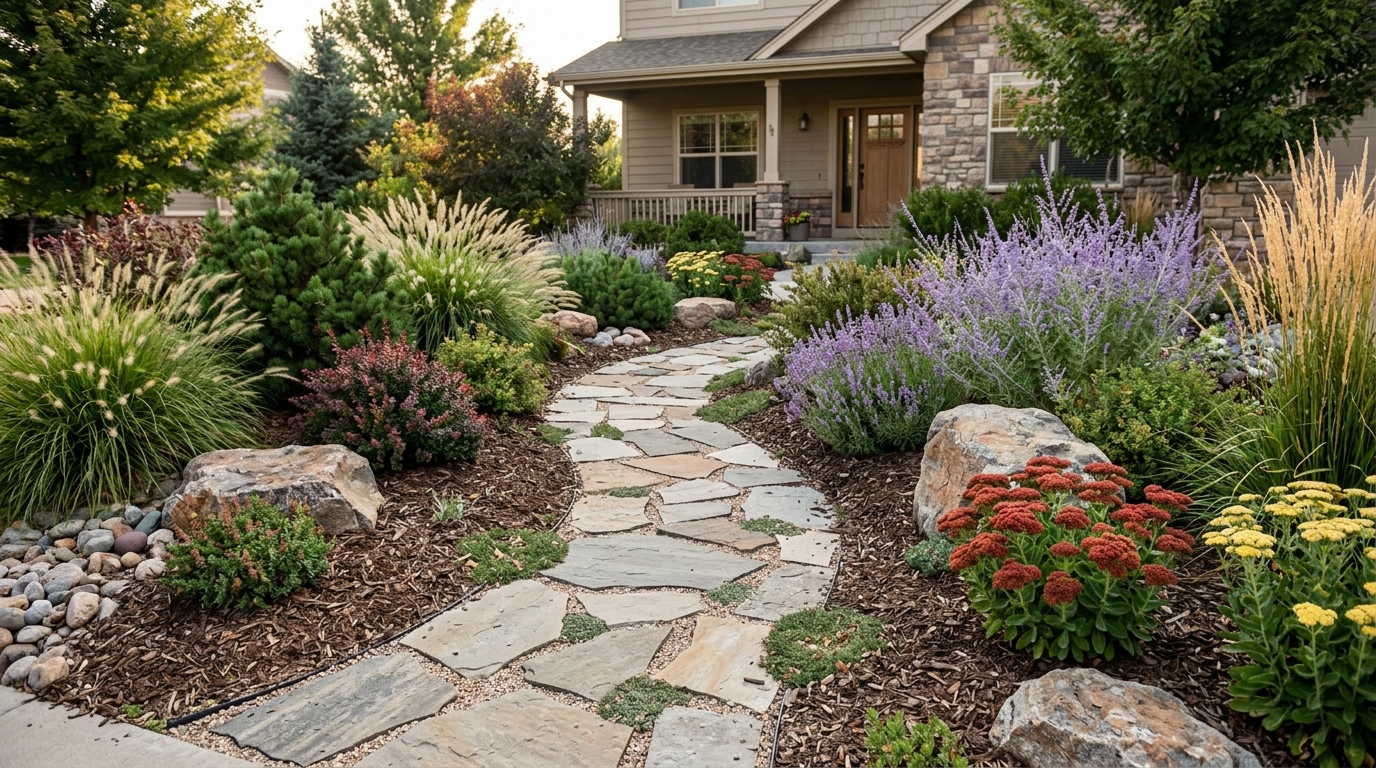
A low-maintenance yard relies on plant choices suited to your climate, soil, and sunlight, with a focus on drought-tolerant perennials, native grasses, and shrubs that need little pruning or watering once established. Homeowners in West Windsor, Plainsboro, Princeton, Cranbury, Robbinsville, Millstone, and Allentown can build a resilient landscape by pairing the right plant palette with smart layout choices that reduce weekly upkeep.
Not every homeowner wants to spend weekends pruning, watering, and fussing over a yard. If that sounds like you, here’s the good news: a beautiful landscape doesn’t require constant attention. Choosing the right plants at the outset makes all the difference between a yard that thrives on its own and one that demands your time every week.
Why Plant Choice Matters More Than Yard Size
A large property planted with the wrong species can feel like a full-time job, while a small yard filled with resilient plants practically takes care of itself. The secret is matching plants to your site’s natural conditions instead of fighting them. Sun exposure, soil type, and local rainfall all determine which plants will settle in and thrive with minimal help from you.
Native and regionally adapted plants tend to need less water and fewer treatments for pests and disease, since they evolved to handle our local climate. Building your landscape around these species sets you up for years of easier care and fewer trips to the garden center.
It also helps to think in layers rather than single plants. A mix of low groundcovers, mid-height perennials, and a few taller shrubs or grasses fills a bed naturally, crowding out weeds and reducing the bare soil that invites unwanted growth. Once a bed fills in, upkeep drops considerably, since the plants themselves do much of the work that mulch and hand weeding used to handle.
Best Low Maintenance Landscaping Plants for New Jersey Yards
Here’s a closer look at some of the most reliable options for our area, each chosen for its ability to handle heat, drought, and average soil without constant attention.
Ornamental Grasses
Switchgrass and little bluestem hold up well through heat and dry spells while adding movement and texture to a bed. Once established, these grasses need little more than an annual trim to look their best.
Sedum and Stonecrop
These succulent-leaved perennials store water in their foliage, so they shrug off a missed watering or two. They also spread nicely to fill bare spots without becoming invasive.
Black-Eyed Susan and Coneflower
Both of these native perennials bloom for months, attract pollinators, and tolerate poor soil. They rarely need fertilizer or pest treatment to stay vibrant all season.
Catmint and Russian Sage
These fragrant, silvery-leaved perennials stand up to heat and poor soil with ease. Deer tend to avoid them too, a welcome bonus for local homeowners dealing with hungry wildlife.
Hosta for Shaded Areas
Not every yard gets full sun. Hostas thrive in shade with minimal care and come in countless leaf shapes and colors, making them a dependable choice for tree-covered lots and shaded side yards.
Drought-Tolerant Landscaping Ideas That Cut Down on Watering
Reducing your yard’s water needs starts with grouping plants by their thirst level. Placing drought-tolerant species together means you’re not overwatering hardy plants just to keep thirstier neighbors alive nearby.
Mulch is one of the simplest tools available. A two- to three-inch layer holds moisture in the soil, suppresses weeds, and reduces how often you need to water. A rain garden or dry creek bed in a low spot also puts stormwater to use instead of letting it run off.
Once your new layout is in place, an experienced lawn care service in Millstone, NJ, like Elite Design & Landscaping keeps the turf and beds around those water-smart plants in top shape.
No Maintenance Yard Design: Layout Tips That Reduce Upkeep
Plant choice matters, but layout does too. Grouping plants into defined beds instead of scattering them across the lawn cuts down on trimming and edging time considerably. Swapping high-maintenance turf in tricky spots, like narrow side yards, for groundcovers or gravel also reduces weekly chores.
Choosing slow-growing shrubs over fast-spreading varieties means less pruning throughout the season. A well-planned layout with the right spacing also lets mature plants fill in naturally, so you refresh mulch and pull weeds less often as the years go on.
Simplifying your lawn’s shape is another practical step. Curved or oddly angled turf areas take longer to mow and trim than a clean, simple shape. Straightening lawn edges where beds meet grass and widening beds around trees, so your mower never has to maneuver close to a trunk, both cut down on the small, repetitive tasks that add up over a season.
Low Water Landscaping Plants and Smart Irrigation Pairings
Even drought-tolerant plants benefit from a smart watering setup during their first year. Drip irrigation delivers water directly to the roots, wastes far less than a sprinkler, and keeps foliage dry to lower the risk of fungal problems. Once established, many of these plants survive on rainfall alone in most seasons.
A rain sensor on your irrigation system prevents watering during wet weather, saving both water and money. Pairing smart irrigation with the right plant palette is one of the most effective ways to build a landscape that holds up with minimal intervention.
Easy Care Perennials for Landscaping You Can Rely On
Perennials return each year without replanting, which makes them a smart long-term investment for a low-fuss yard. Yarrow, daylilies, and blanket flower all handle heat, poor soil, and inconsistent watering without much complaint.
Dividing perennials every few years keeps them healthy and gives you free plants to fill in other areas of the yard. Beyond that occasional task, most established perennials ask for very little from the homeowner.
A cutback in late winter or early spring, before new growth starts, is usually the only pruning these plants need all year. Skipping fall cleanup on many perennials actually works in your favor, since seed heads and dried stems provide winter interest and shelter beneficial insects until spring arrives.
Easy Plant Picks by Growing Condition
Use this quick reference table to match plants to the conditions already present in your yard.
| Plant | Best Growing Condition | Maintenance Level |
| Switchgrass | Full sun, dry soil | Very low |
| Sedum | Full sun, poor soil | Very low |
| Black-Eyed Susan | Full sun, average soil | Low |
| Catmint | Full sun, well-drained soil | Low |
| Hosta | Shade, moist soil | Low |
FAQs
What are the easiest plants for a beginner gardener?
Sedum, black-eyed Susan, and catmint are forgiving choices that tolerate mistakes and still look great with minimal care.
Do drought-tolerant plants need any water at all?
Yes, especially during their first growing season while roots establish. After that, most only need extra water during extended dry spells.
Can I create a low-maintenance yard if I have mostly shade?
Absolutely. Hostas, ferns, and shade-tolerant groundcovers thrive in low light with little upkeep required.
How often should you divide low-maintenance perennials?
Dividing most perennials every three or four years keeps them healthy and controls their spread.
Does mulch really reduce yard maintenance?
Yes. A proper mulch layer holds moisture, blocks weeds, and significantly cuts watering and weeding time.
Final Thoughts
Building a yard you don’t have to babysit starts with choosing plants suited to your site and climate. Drought-tolerant perennials, native grasses, and smart layout choices create a landscape that looks good season after season with far less effort. A little planning up front means more weekends spent enjoying your yard instead of maintaining it. If you’re ready to redesign your landscape around plants that thrive with less upkeep, an experienced landscaping contractor in Millstone, NJ, like Elite Design & Landscaping can bring that vision to life.