
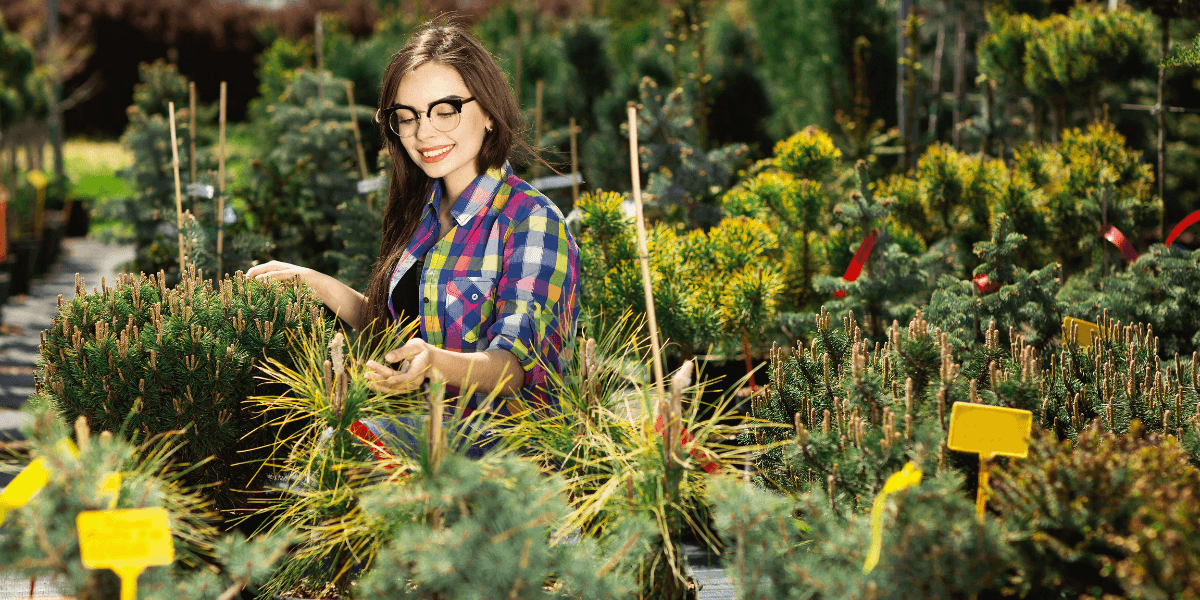
Choosing the right plants for your garden involves more than just selecting those that appear attractive at the nursery. It’s about understanding your local climate and matching it with plants that will thrive in your specific conditions.
If you live in areas like West Windsor, Princeton, or any of the surrounding New Jersey communities, choosing plants suited to your region’s weather patterns can mean the difference between a flourishing garden and one that struggles throughout the year. Let’s explore how to make smart plant selections that work with nature.
Understanding Your Local Climate First
Before you purchase a single plant, you need to understand your climate. This isn’t complicated; it’s simply knowing what kind of temperatures, rainfall, humidity, and seasonal patterns your area experiences. Your climate shapes everything about which plants can survive and thrive in your garden.
Think of climate as your garden’s foundation. When you understand this foundation, selecting plants becomes much easier. You’ll waste less money on unsuitable plants and spend more confidently on specimens that will flourish.
What Defines Your Climate?
Your climate is determined by several factors working together. Temperature ranges throughout the year, annual rainfall amounts, humidity levels, wind patterns, and sunlight exposure all play crucial roles. In the New Jersey area, you’re looking at a temperate climate with four distinct seasons, moderate rainfall, and varying humidity depending on your specific location.
The USDA map shows North America’s coldest winter temperatures. These zones help gardeners understand which perennial plants can survive winter in their area. West Windsor and surrounding communities typically fall within zones 6a to 6b, which means winter temperatures can drop to -10 degrees Fahrenheit or lower.
Research Before You Shop
Walking into a garden center without a plan leads to impulse purchases and disappointment. Doing your homework beforehand transforms you into an informed plant buyer who knows exactly what will succeed in your garden.
Here’s what you should research before heading to the nursery:
- Your USDA Hardiness Zone and local rainfall patterns
- Sunlight exposure in different areas of your property
- Soil type and pH requirements
- Native plant species adapted to your region
This research phase prevents costly mistakes and sets you up for success. Beyond general climate zones, your individual garden has microclimates. A sunny south-facing wall creates different conditions than a shaded north-facing corner. Walk your property and note these variations; they’re valuable information for plant selection.
How to Choose Plants for your Climate Conditions
Now that you understand your climate, choosing plants for your climate becomes a systematic process. The key is to match plant requirements to what your location actually offers, rather than fighting against your natural conditions.
When you’re ready to select plants, start by identifying the specific conditions each location in your garden receives. Does it get full sun for six hours or more daily? Is it naturally wet or well-drained? Is it exposed to strong winds? Once you answer these questions, you can search for the best plants for climate conditions that match your findings.
Sunlight requirements are often the most critical factor in plant success. Plants demanding full sun in a shaded location will become weak and leggy. Shade plants positioned in full sun may suffer from burned foliage and stress. Before selecting plants, map out your garden’s sun exposure throughout the day during different seasons.
Selecting Plants for Hot Climates
If your garden receives intense summer heat, choosing the right specimens becomes even more important. While the New Jersey area isn’t typically considered a hot climate, certain garden locations can become quite hot, especially south-facing areas and spaces surrounded by hardscaping that radiates heat.
Plants for hot climate situations need deep root systems to access water during dry periods and foliage that resists sun scorch. Ornamental grasses, succulents, Mediterranean herbs, and shrubs with silver or gray foliage naturally handle heat better than others. These plants have evolved to manage intense sun and reduced moisture availability.
Consider incorporating plants like Russian sage, coneflowers, black-eyed Susans, butterfly weed, and blanket flowers. These specimens thrive in hot, sunny conditions and provide visual interest throughout the growing season. Native warm-season grasses also perform exceptionally well in these areas.
Choosing Plants for Cold Climates
For homeowners in areas experiencing harsh winters, plants for cold climate selection require understanding cold hardiness ratings. Not every beautiful plant available at your nursery can survive New Jersey winters outdoors.
Cold-hardy plants have several characteristics: they typically have smaller leaves, woody stems that don’t become brittle in freezing temperatures, and root systems that tolerate frozen soil. When selecting the best plants for weather conditions that include freezing temperatures, focus on species with documented cold tolerance in your hardiness zone.
Examples include serviceberry, Eastern redbud, crabapple trees, junipers, boxwoods, and perennials like hellebores, sedums, and grasses rated for your zone.
The Importance of Native Plants
Native plants deserve special attention when you’re considering the best plants for your climate. These species are native to your area and have adapted over many generations to flourish in your local conditions.
Native plants offer multiple advantages. They require minimal inputs once established, support local wildlife, including pollinators and birds, reduce maintenance demands, and work harmoniously with your natural environment. For New Jersey gardeners, choosing native species means selecting plants that naturally handle your climate without extra fertilizers, pesticides, or water supplements.
Once established, native species handle drought, pests, and diseases with resilience because they’ve adapted to these challenges over evolutionary time. These plants also strengthen entire ecosystems by providing appropriate food sources for local insects, which in turn feed birds and other wildlife.
Water Requirements and Soil Conditions
Understanding your region’s rainfall patterns helps you select plants that require appropriate moisture levels. The New Jersey area receives moderate rainfall, but patterns vary seasonally and annually.
Choose plants based on their water needs and site conditions. Drought-tolerant plants need little water once established, while moisture-loving ones require constant damp soil. For dry areas, pick water-scarce plants like sedums and grasses. Also, consider soil type and pH, and test your soil to see if it drains well or is heavy. Knowing these details helps you select suitable plants.
Reducing irrigation needs also lowers your lawn maintenance demands, which many homeowners appreciate. Professional lawn maintenance guidance from Elite Design helps you understand exactly which plants suit your specific conditions and how to care for them properly.
Visiting Local Nurseries and Shopping Smart
Once you’ve done your research, visit local nurseries and garden centers armed with your findings. Talk to staff members about the best plants for the weather in your specific area. They often have valuable insights about what performs well locally and can recommend varieties suited to your conditions.
- When evaluating plants at the nursery, look for healthy specimens with good foliage color, strong stems, and signs of vigor.
- Check root systems gently; roots should be white or light-colored, never brown or mushy.
- Avoid plants looking stressed or severely rootbound.
- Developing a selection strategy prevents impulse purchases and ensures your garden develops cohesively.
- Start by mapping your garden’s different zones based on sunlight, moisture, wind exposure, and soil conditions.
- Then, for each zone, create a list of suitable plants.
- Consider bloom times and seasonal interest when making selections.
- Layer tall plants in back, medium plants in the middle, and shorter plants in front for visual interest throughout the year.
Professional Guidance for Optimal Results
While researching and selecting plants yourself is rewarding, professional expertise can save time and deliver better results. Elite Design brings professional expertise in plant selection, placement, and long-term care, helping you create gardens that thrive for years, require minimal maintenance, and provide maximum enjoyment.
We offer expert landscaping services for tremendous value, particularly when designing comprehensive gardens or tackling challenging growing conditions.
FAQs
Q: How do I choose the right plants for my climate?
Identify your USDA Hardiness Zone and local climate patterns. Assess garden conditions like sunlight, soil, and moisture. Research and select native plants suited to these conditions to thrive with minimal care.
Q: Why is climate important when selecting plants?
Climate influences which plants thrive in your garden, as they adapt to temperature, moisture, and seasons. Choosing suitable plants reduces maintenance needs and disease risk, ensuring a harmonious, low-intervention garden.
Q: What are the best plants for hot or cold climates?
For hot climates, choose heat-tolerant species like Russian sage, coneflowers, and ornamental grasses. In cold areas, select cold-hardy plants such as serviceberry, junipers, and boxwoods. Consult local nurseries for region-specific native options.
Q: How do I know my gardening climate zone?
The USDA Hardiness Zone Map divides North America into zones by minimum winter temperatures. Visit the map online and enter your zip code to find your zone. Most garden centers also provide it. West Windsor and nearby areas in New Jersey are usually in zones 6a to 6b. Knowing your zone helps you select plants that survive winters outdoors without protection.
Q: What are native plants, and why are they important?
Native plants naturally thrive in your region’s climate and soil, supporting local wildlife, reducing water needs, and requiring minimal maintenance. They promote healthy ecosystems and create sustainable, low-maintenance landscapes.
Final Thoughts
Choosing the right plants for your climate is fundamentally about working with nature rather than against it. By understanding your local climate, researching suitable species, assessing your specific garden conditions, and selecting plants adapted to those conditions, you create gardens that flourish with minimal intervention.
If you’re drawn to native plants, drought-tolerant species, cold-hardy perennials, or moisture-loving shade plants, the process remains the same: match the plant to the place. This intelligent approach results in healthier plants, reduced maintenance demands, and gardens you’ll love for years to come.